Best Parking Permit Tips for Barnet Council Removals
Posted on 22/05/2026
Parking can make or break a moving day. If you have ever watched a van circle the street while boxes are already waiting by the front door, you will know the feeling: a small delay quickly turns into a bigger one. That is exactly why Best Parking Permit Tips for Barnet Council Removals matters. A well-planned parking permit can help keep the move smooth, reduce stress, and avoid awkward last-minute scrambles outside a busy London property.
This guide walks you through what parking permits are, why they matter for removals in Barnet, how to handle them properly, and the practical mistakes people often make. It also covers the real-world side of moving day: the timing, the space you need, the permits that may be involved, and how to plan around narrow streets, controlled bays, and neighbours who would really rather not have a van blocking their gate at 8:00 in the morning.
Along the way, you will find useful links to related moving advice, planning resources, and service pages that can help you prepare better. Truth be told, a little preparation here can save a lot of grief later.
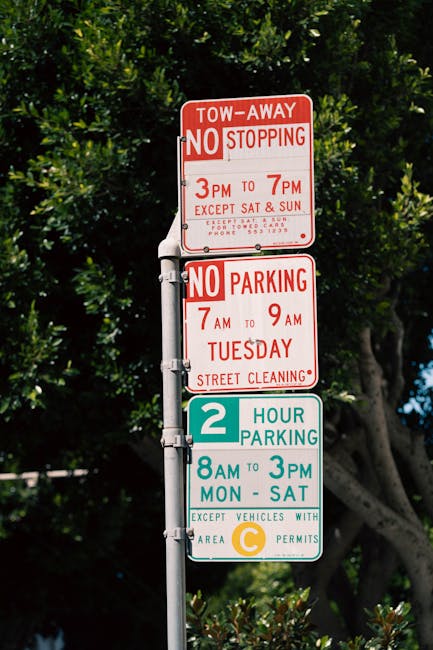
Why Best Parking Permit Tips for Barnet Council Removals Matters
A removal day is rarely tidy. There are cartons, bubble wrap, keys, a phone that keeps buzzing, and at least one item that is heavier than it looked yesterday. Parking sits right in the middle of all that. If the vehicle cannot stop close to the property, every task becomes harder: lifting becomes longer, loading becomes slower, and the whole schedule starts slipping.
In Barnet, that can matter even more because many streets have controlled parking, resident bays, time-limited restrictions, or busy junctions where stopping is awkward. A move can take place on a perfectly ordinary weekday and still be disrupted by local parking controls. You do not want the van parked two streets away if you can help it. Nobody does.
Good permit planning is not just about avoiding a penalty. It is about protecting the flow of the move. When access is properly arranged, the crew can work efficiently, the items are handled more safely, and the property is less likely to suffer knocks from repeated long carries through shared entrances or tight pavements.
It also helps keep relationships with neighbours and building managers calm. That part gets overlooked, but it is real. A quick, respectful parking setup can stop complaints before they start.
How Best Parking Permit Tips for Barnet Council Removals Works
At a practical level, parking permit planning for removals usually means checking whether the moving vehicle needs special permission to stop, load, or park near the property. In some streets, loading may be allowed for a limited time; in others, a dedicated permit or suspension may be needed. The exact rule depends on the location, the type of bay, the time of day, and how long the vehicle needs to stay.
For many moves, the process starts with confirming the parking restrictions outside both addresses. That means the current home and the new one. Yes, both. A move can go smoothly in one direction and still stall at the other end if the unloading space is not thought through. That little detail catches people out more often than you might expect.
The next step is deciding whether the job needs a permit, a bay suspension, or simply an off-peak loading arrangement. Larger vehicles may need more space than a standard car permit would allow. If you are arranging support through a local team such as man and van services in Brent Cross, it is worth discussing access early so the vehicle size and parking requirements match the street layout.
There is also a timing element. Some streets are manageable mid-morning but busy at school run time. Others are fine for a quick load but not for a long unload while furniture is being carried upstairs. In our experience, the better the timing plan, the less likely you are to hit a last-minute headache. Simple, but true.
Key Benefits and Practical Advantages
A well-handled permit plan gives you more than just legal peace of mind. It improves the entire moving experience, often in ways you only notice once the day is underway.
- Shorter carrying distances: fewer trips between the property and the van means less fatigue and lower risk of damage.
- Smoother schedule: access close to the door keeps the move on time, especially for flat moves or multi-stop jobs.
- Lower stress: no one wants to hunt for parking with the clock ticking and the boxes already packed.
- Better protection for belongings: shorter loading routes mean fewer awkward turns and less chance of bumping fragile items.
- Improved neighbour relations: a planned setup feels more considerate than a van left half on a pavement and half in traffic.
There is another benefit that people do not always mention: confidence. When the access side of the move is sorted, you can focus on the parts that really need attention, such as wrapping furniture, labelling boxes, and getting the final check done before leaving.
If you are still in the planning stage, it helps to pair permit thinking with broader moving prep. For example, premove decluttering and packing smarter for a house move can reduce the number of trips and help you make better use of any access window you have secured.
Who This Is For and When It Makes Sense
Parking permit planning is useful for almost anyone moving in or out of Barnet, but it is especially important in a few common situations.
- Flat moves: where the building entrance is close to a controlled bay or narrow road.
- House removals: especially on terraced streets or roads with limited stopping space.
- Office relocations: where the van may need repeated access and loading time is tighter.
- Student moves: often done quickly, sometimes with limited notice, and usually with lots of bags, boxes, and one questionable chair.
- Same-day or short-notice moves: where access has to be planned fast and every minute counts.
It is also worth thinking about the size and type of items you are moving. A few suitcases are one thing. A dining table, piano, or heavy sofa is another. For bulky goods, access closer to the property becomes much more valuable. If you are moving furniture, a relevant guide like furniture removals in Brent Cross can help you think through the handling side at the same time.
And if you are dealing with specialist items, do not treat parking as an afterthought. A piano move, for example, often needs more room and better planning than a standard move. The article on careful piano removals is a useful companion read because access and protection go hand in hand.
Step-by-Step Guidance
Here is a practical way to handle parking permit planning without making it more complicated than it needs to be.
- Check the street restrictions at both addresses. Look for residents' bays, single or double yellow lines, loading restrictions, suspended bays, and any time-based limits.
- Measure the likely stopping point. The goal is not just "somewhere nearby". The goal is the safest, closest legal access point for the van.
- Confirm vehicle details early. Different van sizes may affect what is practical. A standard car park space is not always enough, and that can be obvious only when the van turns up.
- Speak to the council or managing agent if needed. If a permit, suspension, or special arrangement is required, ask early and keep a note of the process.
- Build the permit timing into the moving schedule. Do not leave the permit start time and the crew arrival time to chance. They should be aligned.
- Prepare the loading area. Clear bins, bikes, plant pots, and anything else that could block the route. It sounds small, but it matters.
- Tell everyone involved what is happening. If a neighbour, porter, or building manager needs to know about access, tell them in advance.
- Keep proof and reference details handy. If a permit has been granted, save the reference, dates, and any instructions in your phone and on paper.
A useful rule of thumb: if you are unsure whether the vehicle can stop there legally, assume it cannot until confirmed. That sounds cautious, but caution is cheaper than a fine or an awkward tow-away scenario.
For a calmer overall move, it also helps to prepare the property itself. A pre-move clean can be surprisingly useful, and this cleaning guide before relocation is a good example of how a tidy exit can reduce stress at key moments.
Expert Tips for Better Results
Here are the details that tend to make the biggest difference. These are not flashy, but they work.
- Plan for the worst parking position, not the best one. If there is a legal bay right outside the door, great. If not, know the next best option before move day.
- Choose the right time of day. Mid-morning is often calmer than school-run hours or late afternoon congestion. Not always, but often enough.
- Reduce item count before the move. The fewer things you have, the less parking pressure you create. Less loading, less unloading, less faff.
- Use proper lifting techniques. If the van is further away than hoped, you will feel it. A guide such as kinetic lifting techniques can help reduce strain.
- Pack access-critical items separately. Keep essentials near the front so you are not repeatedly opening the entire load for one box of cables or documents.
- Have a backup plan for wet weather. Rain makes long carries slower and slippier. That matters in London, obviously. A damp stairwell is nobody's favourite.
- Use professionals where the move is tight or heavy. Experienced movers understand access issues, and if you are moving awkward items, you can read more about why professional handling helps prevent damage.
One more quiet tip: do a quick street check the day before. Roads change. Temporary restrictions appear. Skip lorries arrive. A space that looked fine on Tuesday may look very different on Wednesday morning. Annoying, yes, but useful to know.
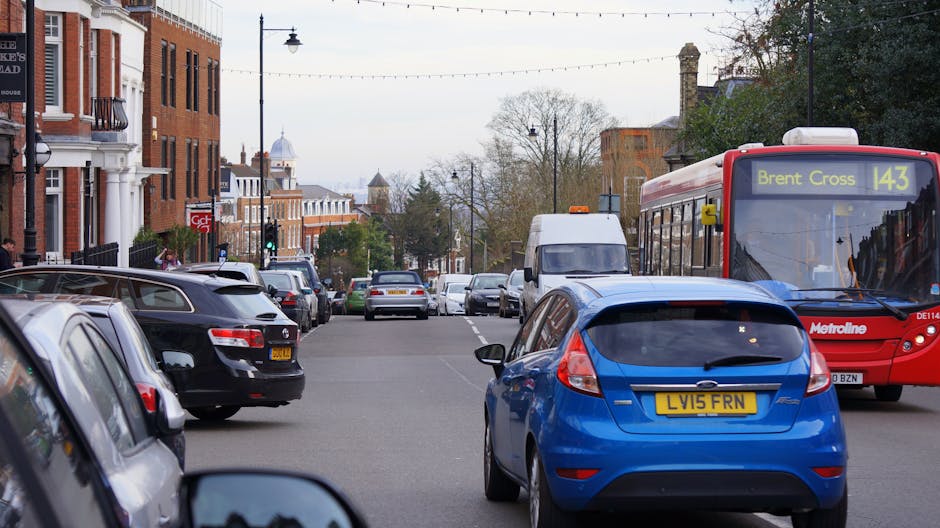
Common Mistakes to Avoid
Most parking problems during removals are not dramatic, just avoidable. The trouble is that they look minor until they become time-consuming.
- Leaving permit checks until the morning of the move. This is the big one. By then, options can be limited.
- Assuming the same parking arrangement works at both ends. The destination may have completely different restrictions.
- Ignoring vehicle size. A small van may fit where a larger removal vehicle will not.
- Forgetting about height or width limits. A low bridge, tight cul-de-sac, or awkward turn can change the plan fast.
- Failing to warn neighbours or building staff. That can lead to complaints or blocked access.
- Not allowing enough time for loading. Even a short move can take longer than expected once stairs, lifts, and fragile items are involved.
- Assuming "loading only" means unlimited stopping. It usually does not.
A common real-world example: a client secures a permit for the old address but forgets the new one is on a busier road with stricter daytime restrictions. The move begins well, then stalls at delivery. A tiny gap in planning, but it has a big impact. That sort of thing is why thorough access checks matter.
If you want a less stressful overall move, it is also worth reading these house-moving stress tips. The parking side is just one piece of the picture, but it is a very noticeable piece.
Tools, Resources and Recommendations
You do not need a complicated toolkit, just the right information and a few practical habits.
- Street-level photos: useful for remembering bay signs, width limits, and entrance layout.
- Phone notes: keep permit references, contact names, and timing details in one place.
- Simple floor plan or access sketch: helpful for longer carries, stairwells, or flats with awkward entrances.
- Boxes and labels: good labelling reduces loading time and speeds up unloading when parking is limited.
- Protective wrapping: especially for furniture edges, mirrors, and fragile household goods.
For supporting move prep, the following resources can be genuinely useful:
- Packing advice for moving house
- Decluttering before the move
- packing supplies and boxes
- same-day removals support
- general removal services
If your move involves storage, remember that a parking plan can still matter on the collection and drop-off day. For a neat follow-on plan, see storage solutions in Brent Cross. One small decision can save three others later.
Law, Compliance, Standards and Best Practice
Parking and loading rules vary by location, and local restrictions should always be checked directly rather than guessed. That may sound obvious, but in the rush of a move people often rely on what "usually works" in another street or borough. In London, that is a risky habit.
Best practice is to confirm whether the vehicle is allowed to stop for loading, whether a permit or suspension is needed, and whether any time limits apply. If a permit is required, make sure the vehicle registration, date, address, and bay details match the application or booking. Keep a copy of anything approved. If there is any uncertainty, get clarification before moving day rather than after.
For removals companies, safe working practices also matter. Good operators will think about access, manual handling, and route safety, not only the parking space. That aligns with a sensible approach to health and safety and the practical realities of moving bulky goods. You do not need a lecture on regulations to know that a badly parked van creates unnecessary risk.
It is also worth being mindful of insurance and responsibility. If you are using a removals provider, ask how they handle access issues, damage prevention, and loading safety. A clear approach to insurance and safety gives reassurance, especially when tight parking means more manual handling.
Options, Methods and Comparison
There is no single parking solution for every Barnet move. The right choice depends on the street, the property, and the amount of time you need.
| Option | Best for | Pros | Watch-outs |
|---|---|---|---|
| Resident bay / standard street parking | Small moves, low-traffic streets, short loading times | Often simplest if permitted; close access | May require checking permit conditions and time limits |
| Loading-only stopping | Quick pick-ups or drop-offs with minimal delay | Useful when allowed; avoids longer parking periods | Usually restricted by time and must be managed carefully |
| Suspended bay or reserved space | Larger removals, flats, office moves, or difficult access | Most controlled; reduces the risk of parking conflicts | May take more planning and lead time |
| Off-street access such as driveway or forecourt | Homes or buildings with private access | Often the smoothest option | Still needs clearance, turning space, and careful loading |
For many households, the most practical route is not the fanciest one. It is the one that lets the van stop legally, safely, and close enough to keep the move moving. That is the whole game, really.
Case Study or Real-World Example
Picture a typical flat move in Barnet. The property sits on a residential road with controlled parking and limited space near the entrance. The residents are moving out on a Saturday morning, and the building has a shared hallway that is already tight with prams, bikes, and a few plant pots someone has "temporarily" left in the way.
Instead of leaving parking to chance, the move is planned in stages. The street restrictions are checked the week before, the vehicle size is confirmed, and the access point is identified. The van arrives just after the morning rush, when loading is easier. A couple of larger items are wrapped separately, the route from door to van is cleared, and the team keeps the stairwell free.
The result is not dramatic. That is the point. No shouting, no pointless circling, no confusion about where the vehicle can sit. The move is quicker, calmer, and less tiring for everyone involved. Even the neighbour in the downstairs flat, who had looked suspicious earlier, relaxes once the van is clearly positioned and the route stays tidy.
If the property had included awkward furniture, a bed frame, or a mattress, the planning would have mattered even more. The moving advice in this bed and mattress moving guide is a good reminder that access and item handling should be planned together, not separately.
Practical Checklist
Use this checklist before moving day. It is simple, but it covers the essentials.
- Check parking restrictions at both addresses.
- Confirm whether a permit, suspension, or loading arrangement is needed.
- Note the vehicle size and whether it fits the available space.
- Plan the arrival time to avoid peak congestion where possible.
- Keep permit references and confirmation details accessible.
- Tell neighbours or building staff if access could affect them.
- Clear the loading route of bins, bikes, and small obstacles.
- Protect bulky or fragile items before they are carried out.
- Have a backup parking plan in case the first option is unavailable.
- Review the unloading point at the destination before the van arrives.
Expert summary: the best parking permit plan is the one that makes move day boring in the best possible way. Legal, close, clear, and already decided before the boxes start moving.
Conclusion
Parking permits may not be the most exciting part of a move, but they are one of the most important practical details. If you get the access plan right, everything else becomes easier: loading is faster, lifting is safer, and the day feels far less chaotic. That is especially true in Barnet, where street restrictions and limited stopping space can turn a simple job into a frustrating one if the parking side is ignored.
The smartest approach is straightforward: check the rules early, match the vehicle to the street, allow enough time, and keep communication clear. Do that, and your removal day has a much better chance of staying calm, efficient, and on schedule. A good move has enough moving parts already. Parking should not be one of the problems.
If you are organising a move soon, it is worth combining your permit planning with the rest of your preparation now rather than later. A bit of organisation today can save a whole lot of faff tomorrow.
Get a free quote today and see how much you can save.