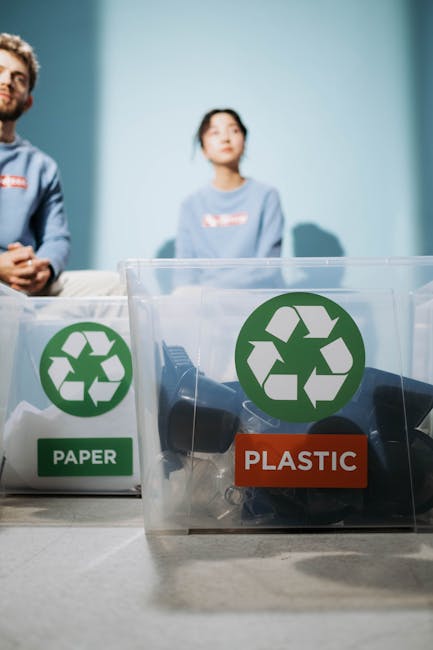
Zero-Waste Removals Brent Cross: Recycling & Donation Routes
Moving out does not have to mean sending half your life to landfill. In Brent Cross, a smarter approach is possible: sort, save, reuse, recycle, donate, and only then remove what is genuinely left. That is the heart of Zero-Waste Removals Brent Cross: Recycling & Donation Routes. It is a practical way to clear homes, flats, offices, and storage spaces with less waste, less stress, and a far better outcome for useful items that still have life in them.
Truth be told, most people are not trying to be wasteful. They are just busy. A move creeps up, cupboards are deeper than expected, and the first instinct is often to just get everything out. This guide shows you how to avoid that rushed, expensive last-minute clear-out. You will learn how zero-waste removals work, what can be donated or recycled, what to keep an eye on for compliance and safety, and how to make the process feel manageable rather than chaotic.
If you are planning a home move, a downsizing project, or a business clearance in the area, this article will give you a clear, realistic route through it. And yes, it can still be done without turning your week upside down.
- Why zero-waste removals matter
- How the recycling and donation route works
- Key benefits and practical advantages
- Who this is for and when it makes sense
- Step-by-step guidance
- Expert tips for better results
- Common mistakes to avoid
- Tools, resources and recommendations
- Law, compliance, standards, or best practice
- Options, methods, or comparison table
- Case study or real-world example
- Practical checklist
- Conclusion
- Frequently asked questions
Why Zero-Waste Removals Brent Cross: Recycling & Donation Routes Matters
At its simplest, zero-waste removal is about reducing what ends up as mixed rubbish. Instead of treating every unwanted item as waste, you separate items into sensible pathways: reuse, donation, recycling, specialist disposal, and only a small residual stream for anything that truly cannot be recovered.
That matters for three very practical reasons. First, it keeps reusable items in circulation. A solid chair, an almost-new toaster, or a box of office supplies should not be crushed into the same load as broken packaging and black sacks. Second, it makes collections cleaner and more efficient. Third, it gives you a better sense of control. You know what is leaving, where it is going, and why.
In a busy part of North West London, that control is worth a lot. Brent Cross moves can involve narrow access, shared entrances, lift bookings, parking constraints, or simply a tight turnaround between tenancy dates. When people try to do everything at the end, the process gets messy very quickly. You can practically feel the stress in the hallway. Better to slow it down and sort it properly.
There is also a quiet benefit that people often overlook: zero-waste thinking helps you decide earlier what is worth keeping. Once you start asking "can this be reused?" instead of "how do I get rid of this?", the whole move becomes more intentional. And oddly enough, that can make the moving day feel lighter.
Expert summary: the best zero-waste removals are not about perfection. They are about making the useful route the default route, then using recycling and specialist disposal only for the leftovers.
How Zero-Waste Removals Brent Cross: Recycling & Donation Routes Works
The process is straightforward, even if the wardrobe in the spare room suggests otherwise. A proper zero-waste removal usually follows a simple sequence: assess, sort, divert, collect, and record.
1. Assess what you actually have
Start with a room-by-room or category-by-category review. Group items into furniture, white goods, textiles, paperwork, general household items, electronics, fittings, and anything hazardous or awkward. At this stage, do not overthink it. You are not writing a museum catalogue. You are deciding what has a second life and what does not.
2. Separate for donation, recycling, and disposal
The useful split is usually:
- Donate: clean, safe, usable items with remaining value.
- Recycle: materials that can be broken down into recoverable parts, such as metal, cardboard, some plastics, wood, and textiles where accepted.
- Specialist handling: electronics, appliances, paint, batteries, fluorescent tubes, and other items that need careful treatment.
- Residual waste: the small amount left over after the above routes are exhausted.
This is where a lot of people save time. They stop asking, "Where does everything go?" and start asking, "What is the best route for this item?" That shift is simple but powerful.
3. Prepare items for the right destination
Donation-ready items need to be clean and complete. Recycling works better when loose parts are grouped and materials are separated where practical. Electronics should be wiped of personal data before they leave your premises. Furniture that is destined for reuse should be protected from scratches and damp, especially if it is waiting in a hallway or garage for collection.
4. Load in the right order
A zero-waste collection should not be a jumble of mixed waste. Items meant for donation should be loaded separately from recycling streams if possible, and fragile or reusable goods should not be crushed under the heavy stuff. That sounds obvious. In practice, it often gets missed when people are in a hurry.
5. Confirm the final destination
Good practice is to know, at least broadly, where each stream is going. Donation items go to reuse channels. Recyclables go to the appropriate facility or sorting route. Anything else is handled in line with normal waste expectations. If a provider can explain this clearly, that is a strong sign they understand sustainable removal properly.
For many customers, the easiest path is to combine a sensible pre-sort at home with a removal team that already works with sustainability in mind. If you want to understand the company's general approach first, the recycling and sustainability approach is a useful place to start.
Key Benefits and Practical Advantages
Zero-waste removals are not just a nice environmental idea. They are useful in very ordinary, day-to-day ways. That is why more people are asking for them.
Less landfill, more reuse
The obvious benefit is obvious for a reason. Useful things keep moving. A dining table, filing cabinet, or bookshelf that can be reused is a resource, not rubbish. You save the embodied value of the item and reduce unnecessary disposal.
Cleaner jobs and easier unloading
Sorted loads are easier to move. Reusable items can be wrapped and placed carefully, recyclables can be kept together, and there is less chance of broken bags leaking or loose debris spreading through the van. That makes the job tidier on both sides.
Better time management
When donation and recycling are planned in advance, the move day itself tends to run better. Less standing around. Fewer panicked decisions. Fewer "we'll just take it all" moments.
Lower emotional friction
Let's face it, clearing out a home can be strangely emotional. You find old photo frames, the kettle from your first flat, the printer that never quite worked. Knowing that decent items will be reused somewhere else makes the process easier to handle.
Stronger cost control
While costs vary, separating reusable items can reduce the amount that needs specialist disposal. It also cuts the chance of paying to remove things that could have been donated or passed on. Not always, but often enough to matter.
Better presentation for landlords, buyers, and office handovers
If you are leaving a rental property, selling a home, or vacating office space, a properly cleared, sorted space gives a better impression. It feels orderly. People notice that, even if they do not say it out loud.
| Approach | What happens to usable items | Typical outcome |
|---|---|---|
| Mixed clearance | Often treated as general waste | Fast, but less sustainable |
| Partial sorting | Some items diverted, some mixed | Better than mixed waste, but inconsistent |
| Zero-waste style removal | Donation, reuse, recycling, specialist handling | Cleaner, more efficient, more responsible |
Who This Is For and When It Makes Sense
Zero-waste removals are useful for a wide range of people. You do not need a huge property or a major refurbishment to benefit from them.
Home movers
If you are moving house, especially with a deadline, it helps to clear the things you no longer need before they get packed by accident. Everyone has that one box they later regret moving three times. You may as well reduce the odds.
For families and households planning a bigger move, home moves are a natural fit for donation and recycling planning. It keeps the move lighter and the unpacking less overwhelming.
People downsizing
Downsizing brings a practical question as much as an emotional one: what is worth taking? Zero-waste removal works well here because it encourages measured choices rather than panic clearing.
Landlords and tenants
End-of-tenancy clearances often need speed, but they also need care. Usable furniture, small appliances, and household goods can often be separated, which helps avoid a waste-heavy final sweep.
Office and commercial clients
Businesses change faster than people think. Desks, chairs, shelves, monitors, cables, and archive materials all need a route. A structured approach is especially useful for relocations and partial refurbishments. If you are dealing with a workspace move, office removals and commercial moves often benefit from a recycling and donation plan from day one.
Anyone clearing bulky furniture
Large items are the easiest to wastefully dispose of if no one stops to think. Sofas, wardrobes, tables, filing cabinets, and bed frames can often be diverted if they are still sound. If the item is genuinely ready for reuse, a dedicated furniture pick-up route may be more sensible than lumping it in with everything else.
Step-by-Step Guidance
If you want the process to feel manageable, do it in stages. Small wins matter here. One cleared shelf leads to three more, and suddenly the room looks less impossible.
- Start with one area. Choose a bedroom, storage cupboard, spare room, or one section of the office. Do not try to clear the whole property in one go unless you enjoy chaos.
- Create four piles or zones. Label them donate, recycle, keep, and unsure. The unsure pile is useful; just do not let it become the final resting place of every awkward item.
- Check condition honestly. If something is stained, broken, missing parts, or unsafe, it probably does not belong in donation. Be honest with yourself here.
- Separate paperwork and personal items early. Bank letters, tenancy files, old contracts, and anything with personal information should be handled before the main clearance.
- Take photos of questionable items. If you are unsure whether a sofa or appliance is donation-ready, a photo makes it easier to assess later. It is a small thing, but it saves time.
- Ask how each stream will be handled. Reuse, recycling, and disposal should not be vague words. You should know the intended route, even if it is just in broad terms.
- Book the removal once the sorting is done. That way the load is efficient and the vehicle space is used properly. No one wants to pay for air, after all.
A sensible preparation routine also helps with physical logistics. If you need help with the moving side as well as the waste side, services such as man with van, man and van, or broader removal services can fit well when the job is not enormous but still needs structure.
Expert Tips for Better Results
A few practical habits make a noticeable difference. These are the sort of things people only learn after a few moves, usually while standing in a doorway at 7:30 a.m. wondering why there are still six mismatched lamps.
Sort by destination, not by emotion
It is easy to create a "maybe" pile that contains memories, guilt, and a broken charger. Try to sort by destination instead. Donation, recycling, specialist handling, keep. It makes decisions quicker and less sentimental in the wrong places.
Keep reusable items clean
Donation routes generally work better if items are clean and complete. A quick wipe-down and a bag of matching screws can be the difference between reuse and rejection. That tiny bit of effort goes a long way.
Separate flat-pack furniture carefully
Flat-pack furniture is often repairable or reusable if the panels are intact. Keep fittings together in a labelled bag. No mystery screws. No one likes mystery screws.
Protect fabrics from damp
If items are waiting in a hallway, garage, or loading area, keep them dry. Once moisture gets into soft furnishings, the reuse value drops quickly.
Use one decision-maker
If too many people are making item-by-item decisions, the process slows down. One person can still ask for input, but it helps to have a final call-maker. Otherwise every chair becomes a committee meeting.
Plan for awkward items early
Mattresses, old monitors, batteries, paint tins, and broken appliances always take longer than people expect. Deal with them first, not last.
Common Mistakes to Avoid
Most zero-waste problems are avoidable. Not all, but most. And the usual culprits are surprisingly familiar.
Waiting until the final day
The biggest mistake is leaving sorting until the move itself. That is when donation becomes impossible, recycling becomes rushed, and everything ends up in one pile because you are tired.
Assuming everything can be donated
Donation is great, but only if items are safe, clean, and usable. Donated goods that are damaged or incomplete often create extra work for the receiving organisation.
Mixing recycling with general rubbish
This sounds minor, but it defeats the purpose. Once mixed, the route is usually less efficient. A cardboard box full of mixed debris is not the same as clean cardboard.
Ignoring data security
Old laptops, phones, and office drives should not just be tossed aside. If items store personal or business data, wipe them properly before they leave the site.
Forgetting access and parking
Brent Cross can involve real-world logistics: narrow parking windows, lift access, loading restrictions, and neighbour consideration. Ignore those details and the cleanest removal plan can still become awkward fast.
Choosing speed over clarity
Fast is nice. Clear is better. If a provider cannot explain where items will go, that is a warning sign. Maybe not a dramatic one, but enough to pause.
Tools, Resources and Recommendations
You do not need a huge toolkit, but a few simple things help the process run smoothly.
- Labels or masking tape: mark boxes and bags by destination.
- Permanent marker: make the label obvious, even in a dim hallway.
- Strong bags and boxes: keep recycling and donation streams separate.
- Furniture blankets or wraps: protect reusable items from scratches.
- Basic cleaning cloths: useful for making donation items presentable.
- Phone camera: ideal for documenting what is going where.
One practical recommendation is to make a simple list before the removal day. Even a handwritten note works: "keep, donate, recycle, unsure." That little bit of structure saves a lot of wandering about later. If you are also comparing vehicle and crew options, pages like removals and man with a van can help you think through the scale of the job.
Another useful habit is to confirm what happens to specific categories of items. For example, soft furnishings, electronics, and metal items often travel different routes. You do not need a technical lecture. Just a clear answer.
Law, Compliance, Standards, or Best Practice
Any waste-related process in the UK should be handled carefully and responsibly. Without turning this into a legal seminar, a few principles are worth keeping in mind.
First, waste must be transferred and handled properly. In practice, that means using a responsible removal or waste-handling process and avoiding fly-tipping, unclear handovers, or unverified disposal routes. If you are unsure how a provider works, ask for plain-language reassurance. The good ones will not mind.
Second, some items need specialist treatment. Electrical equipment, batteries, paint, solvents, and certain office materials should not be treated like ordinary mixed rubbish. They require the right route. This is as much about safety as sustainability.
Third, if you are disposing of items that contain personal or confidential information, privacy and data security matter. Paper files, storage devices, and labelled archive items should be handled before they enter any reuse or disposal stream.
Fourth, reputable operators should be clear about insurance and safety. A good removal process protects people, property, and the items being moved. That is why it makes sense to review pages like health and safety guidance and insurance and safety information before a bigger job.
Best practice is not complicated. Separate streams clearly, keep records where needed, use proper handling for awkward or hazardous items, and work with a provider who can explain their process without fluff.
Options, Methods, or Comparison Table
There are a few different ways to approach a clearance, and the best one depends on the size of the job, the type of items involved, and how much sorting you can do beforehand.
| Method | Best for | Pros | Trade-offs |
|---|---|---|---|
| Self-sort then collect | Smaller moves, tidy households, light office clearances | Lower waste, more control, easy to plan | Takes time and a bit of effort |
| Mixed load removal | Urgent clear-outs, low-sorting situations | Quick and simple | Less reuse, less efficient, more residual waste |
| Donation-led clearance | Furniture, household goods, reusable office items | Strong sustainability outcome, good for quality items | Needs items to be clean and presentable |
| Full zero-waste style route | Major moves, downsizing, business relocations | Best balance of reuse and recycling | Requires planning and clearer coordination |
For many customers, a hybrid approach works best. Sort the obvious donations first, set aside recycling, and let the removal team manage the collection and onward route. That is often the sweet spot: practical, not precious.
Case Study or Real-World Example
Here is a realistic example from a typical Brent Cross move, without any exaggerated drama. A couple were leaving a two-bedroom flat and downsizing into a smaller place nearby. They had a sofa in decent condition, two bookshelves, a desk chair, some boxed kitchen items, a printer, and a mix of old cables, lamps, and packaging.
At first, everything felt like one giant pile. You know how that goes. By separating items into clear categories, they quickly saw what could be kept, what could be donated, and what needed recycling. The sofa and bookshelves were judged reusable, the kitchen items were sorted into keep and donate, the printer was set aside for proper electrical handling, and the cables were bagged together for recycling.
The result was not glamorous, but it was efficient. The couple spent less time arguing over whether to keep "one more" shelf, and move day felt calmer. More importantly, the load was cleaner and the amount of true waste was much smaller than it would have been with a last-minute sweep.
That kind of job is not unusual. In fact, it is the norm when people pause early enough to sort properly. The win is not in doing something dramatic. It is in making a few sensible choices before the van turns up.
Practical Checklist
Use this checklist to keep the process on track. Simple. Useful. Slightly boring in the best possible way.
- Walk through each room and identify reusable items.
- Separate donation, recycling, keep, and unsure piles.
- Clean items that may be donated.
- Remove personal data from electronics and paper files.
- Bag cables, batteries, and small accessories together.
- Protect fragile or reusable furniture with blankets or wraps.
- Confirm access, parking, and loading arrangements.
- Ask how specialist items will be handled.
- Keep the residual waste pile as small as possible.
- Review the final plan before collection day.
If you are still comparing moving support, you may also want to look at removals near me when you need a nearby, flexible collection option. For smaller van-led jobs, man and van removals can be a practical fit.
Conclusion
Zero-waste removals in Brent Cross are not about being perfect. They are about making better decisions, one item at a time. Donate what still has value, recycle what can be recovered, handle specialist items properly, and keep landfill as the last resort rather than the default.
When done well, the process feels calmer, cleaner, and much more deliberate. Your old furniture gets a second chance, your move becomes easier to manage, and the end result looks and feels more considered. That is a good outcome, honestly. A better one than a rushed clear-out, anyway.
If you are planning a move, office clearance, or bulky item removal and want it handled with care, start by checking the practical options available and think through your donation and recycling routes early. That small bit of planning can save a surprising amount of hassle.
Get a free quote today and see how much you can save.
Frequently Asked Questions
What does zero-waste removals mean in practice?
It means sorting items so reusable goods are donated, recyclable materials are separated, specialist items are handled properly, and only the remaining waste is disposed of. In other words, less landfill and more sensible routing.
Can furniture always be donated?
No. Furniture usually needs to be clean, safe, complete, and in reasonable condition. If it is broken, heavily stained, unstable, or missing key parts, donation is unlikely to be appropriate.
What happens to items that cannot be donated?
They are usually checked for recycling or specialist disposal options first. Only after those routes are exhausted should they go into general waste handling.
How should I prepare electronics for removal?
Back up and wipe personal data where needed, remove batteries if possible and safe to do so, and keep chargers or accessories together. That makes reuse or recycling much easier.
Is zero-waste removal more expensive?
Not always. It can sometimes reduce disposal volume and improve efficiency, but costs depend on item type, access, labour, and how much sorting is needed. Planning early usually helps more than people expect.
What is the difference between recycling and donation routes?
Donation is for items that can be used again as they are, or with minimal work. Recycling is for materials that need to be broken down and processed before they can be used again.
Do I need to sort everything myself first?
No, but the more you sort in advance, the smoother the process tends to be. Even a basic pre-sort into donate, recycle, keep, and unsure makes a big difference.
What if I only have a few items to remove?
Small jobs can still benefit from zero-waste thinking. A few reusable items, a small amount of recycling, and a minimal residual waste load can still be handled efficiently.
Are there special rules for office clearances?
Yes, in practical terms there often are. Office items may include confidential papers, IT equipment, furniture, and mixed materials, so sorting and data security matter more than people often realise.
How do I know a removal provider is handling waste responsibly?
Ask clear questions about their recycling and donation process, how they separate loads, and how they handle specialist items. A trustworthy provider should be able to explain it without sounding vague.
What should I do with items in the unsure pile?
Review them separately once the obvious items are sorted. If you still cannot decide, look at condition, safety, and whether the item would realistically be accepted for reuse or recycling.
When is the best time to start sorting for a move?
Earlier than you think. Even a couple of weeks' head start can make the difference between a calm, planned clear-out and a frantic last-minute one.
A careful move has a quiet kind of dignity to it. Things go where they should, useful items live on, and the rest is handled properly. That is usually enough.